

Why Formatting Matters for Online Content
In the digital age, the way we consume information has changed drastically. We have transitioned from physical books and printed materials to a world dominated by digital screens—smartphones, tablets, laptops, and e-readers. This shift has impacted our reading habits and how content must be formatted to engage and retain our attention. Understanding these differences is essential for anyone involved in online content creation, whether you’re writing blog posts, creating educational materials, or designing websites. Let’s explore how reading on digital screens differs from physical materials and why formatting matters for online content.

The Science Behind How We Read: Digital vs. Physical
1. Reading on Digital Screens
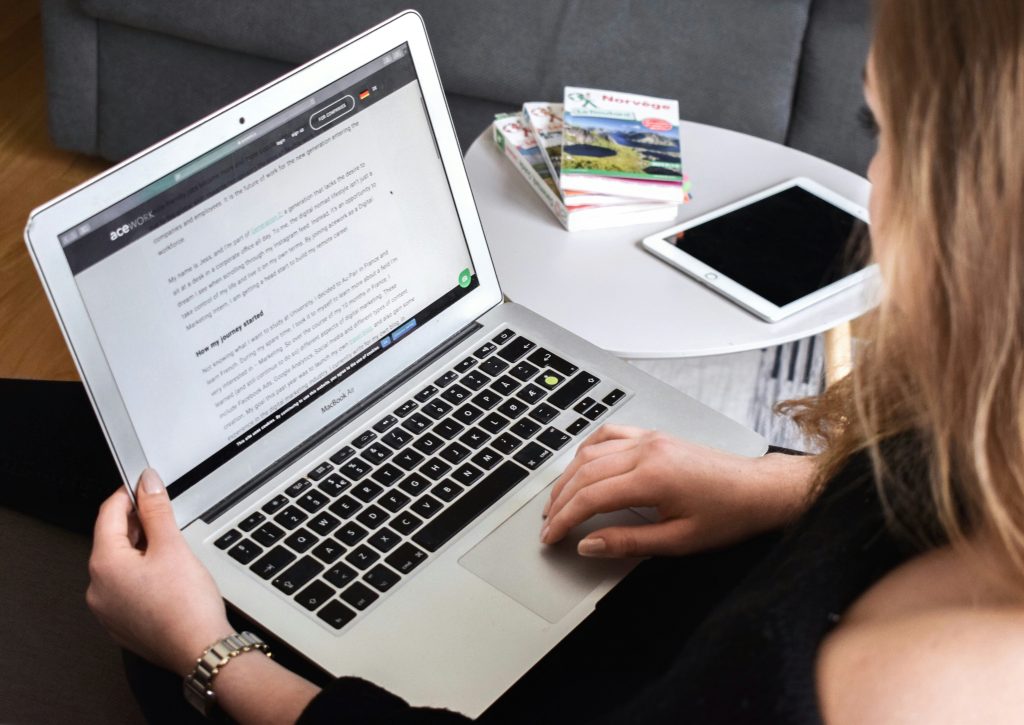
Reading on digital screens is often more fragmented than reading on physical paper. One primary reason is screen fatigue, sometimes called “digital eye strain.” Staring at a screen for prolonged periods can cause discomfort, blurry vision, and headaches due to glare, blue light exposure, and pixelated fonts.
Digital reading tends to skimmer more than deep reading. Studies have shown that users rarely read online content word-for-word; instead, they skim for relevant information or keywords. The cognitive load required to process on-screen content and distractions like ads and pop-ups make it harder for people to focus for long periods.
Additionally, digital screens often encourage multi-tasking, where users switch between tabs, apps, and tasks. The temptation to check notifications or move to another page reduces the chances of engaging with longer, unformatted blocks of text.
2. Reading Physical Material
In contrast, reading from physical books, magazines, or newspapers tends to support a deeper and more focused engagement. When reading from paper, there are fewer distractions—no clickable links or notifications to divert attention.

Why Formatting Matters for Online Content
Digital reading is more prone to skimming and distractions, so formatting your content effectively becomes crucial to keeping your audience engaged. Proper formatting ensures that readers can easily find the information they’re looking for, reduces cognitive load, and improves the overall user experience.
Here are key reasons why formatting matters for online content:
1. Facilitating Skimming
Online readers tend to skim content rather than read it word-for-word. As such, web content must be formatted to cater to this behaviour. Breaking content into bite-sized sections with clear headings, subheadings, and bullet points allows users to scan for the necessary information quickly.
- Headings and Subheadings: These act as signposts for readers, guiding them through the content and allowing them to focus on sections that matter most to them.
- Bullet Points: Lists break up large chunks of text and present information in a more digestible format. They highlight key takeaways, making it easier for readers to grab essential points without wading through paragraphs of text.
2. Enhancing Readability
Poor formatting can result in high bounce rates and disengaged readers. Good formatting ensures your content is easy to read and digest on any device. When users encounter large blocks of unbroken text, they are likelier to abandon the page due to the intimidation of “text walls.”
- Short Paragraphs: Keep paragraphs short—three to four sentences at most. This helps break up the text and creates more white space on the page, which makes the content less overwhelming.
- Line Spacing: Adequate line spacing between sentences and paragraphs enhances readability by giving the reader’s eyes a chance to rest.
- Font Choices and Sizes: Use readable fonts like Arial, Verdana, or Georgia, and ensure the font size is large enough (typically 16px for body text) to be easily read on various devices.
3. Leveraging Visual Elements
Incorporating images, charts, and infographics can enhance understanding and break up text-heavy content. Visual elements make the content more engaging and provide additional information in a more digestible format.
- Images: Strategically placed images can help reinforce key concepts and make the page more visually appealing. However, ensure that images are optimized for fast loading times, as slow-loading pages can drive readers away.
- Infographics and Charts: These are particularly effective for conveying data-heavy information in a more engaging and accessible way. Infographics can simplify complex ideas, making them easier to understand.
4. Improving Mobile Usability
With the rise of mobile devices, optimizing content for smaller screens is essential. Websites that aren’t mobile-friendly risk losing a significant portion of their audience. Proper formatting plays a key role in mobile usability by ensuring content adjusts seamlessly to different screen sizes.
- Responsive Design: Ensure your content is designed to adapt to different devices, with text that resizes and reflows properly on mobile screens. Avoid content that requires horizontal scrolling or pinching to zoom.
- Clickable Elements: Ensure that clickable elements such as buttons or links are easily tappable on small screens without being so close together that users accidentally tap the wrong one.
5. SEO Benefits
Formatting also plays a critical role in search engine optimization (SEO). Search engines like Google prioritize content that is well-structured and easy to read. By using proper headings (H1, H2, H3 tags), bullet points, and short paragraphs, you can improve your content’s SEO ranking.
- Headings and Keywords: Proper use of headings helps Google understand your page’s structure and main topics. Incorporating relevant keywords in your headings can further boost SEO.
- Optimized Images: Alt text for images not only makes your content more accessible but also enhances SEO by giving search engines more information about your page.
Good Formatting Saves Time and Keeps The Reader’s Attention
Reading on digital screens is fundamentally different from reading physical materials, and this shift demands a new approach to creating and formatting content. In the digital world, where distractions are plentiful and readers tend to skim more than read, proper formatting is key to keeping audiences engaged and ensuring your message comes through clearly.
By structuring your content with headings, bullet points, short paragraphs, and visual elements, you cater to how people read online—scanning for information and avoiding text walls. Additionally, ensuring that your content is mobile-friendly and SEO-optimized will enhance the user experience and improve your visibility and reach. Good formatting isn’t just an afterthought in the fast-paced digital landscape—it’s a necessity.